After harvest: What Comes Next on the Farm
August 6, 2026
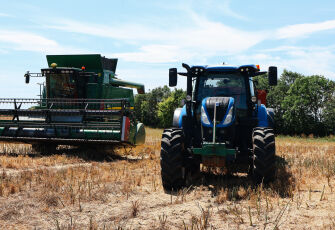
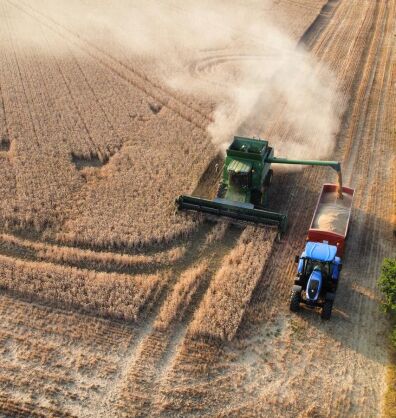
With the rapeseed, wheat and beans finally off the field, the combine parked up, and the dust settling (literally), the next chapter of the season begins. Harvest might be the headline act, but what follows is just as important: the methodical groundwork that sets up the next crop and keeps the soil thriving year after year.
Encouraging the weeds (yes, really!)
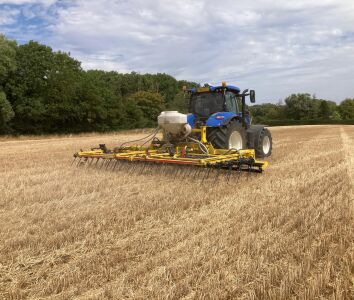
Next comes straw raking, which might sound counterintuitive. Why encourage weeds? Because getting them to germinate now means we can deal with them early, reducing competition for the next crop. It’s a clever bit of biological timing: let them show themselves, then remove them before they become a problem.
Feeding the soil
The first job after cutting rape is manure application. It’s not glamorous by any means, but it is essential. Manure adds organic matter, boosts fertility, and replenishes nutrients that the previous crop has drawn out. It’s a bit like a hearty meal for the soil, setting the foundation for everything that comes next.
Planting the cover crop
Once the field is tidy and the weeds are coaxed into action, we plant a cover crop. This is where the soil really comes alive. Cover crops improve structure, prevent erosion, feed soil bacteria, and help lock in nutrients. They really are the unsung heroes of sustainable farming, quietly working away long before we’ve even got close to thinking about the next harvest.
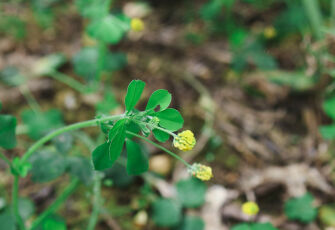
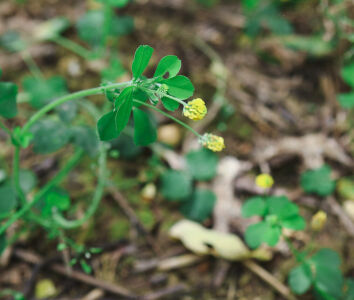
We use cover crops between harvests and then look at companion crops when we plant our next batch of rapeseed and wheat into the soil. We trialled this earlier this year with Black Medic – a small (but mighty!) companion crop that showed a lot of promise in the rapeseed fields.
Looking ahead
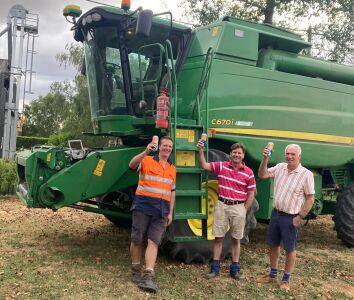
Harvest always brings its mix of excitement, nerves, and unexpected challenges, and this year certainly delivered its fair share. From scorching weather to the mysterious burning smell in the combine, we’ve had moments that kept us on our toes. But with rapeseed, beans, and wheat now all safely in the shed, we can finally say it: this might just be one of our best harvests yet.
Wheat, our biggest and most defining crop, is now wrapped up too. It’s the backbone of our work here at Bottom Farm, supplying Weetabix with a large share of our grain and sending the rest to Camgrain, our local farmer‑owned cooperative, to be stored and marketed to top millers and customers. Onwards to 2027